

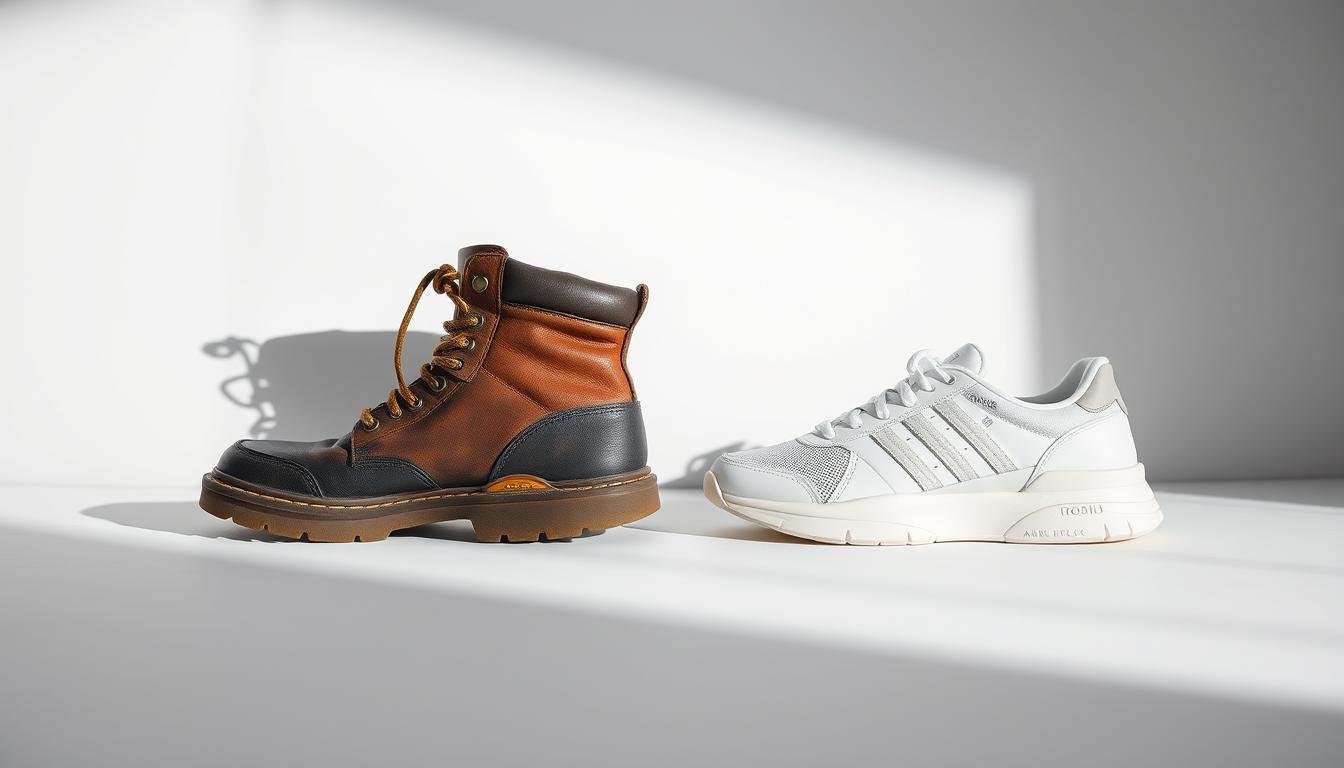
Choosing between boots and sneakers is easier when you start with one question: What are you going to do and where are you going to do it?
Boots generally provide more protection, structure, traction, and weather resistance, making them a strong choice for demanding work, rugged terrain, hiking, and challenging weather. Sneakers are typically lighter and more flexible, making them well suited to everyday walking, casual activities, travel, and many low-impact activities.
Neither option is automatically better. The best footwear depends on the activity, terrain, weather, level of protection required, and how long you expect to wear it.
In this guide, we’ll compare boots vs sneakers and explain when each makes the most sense.
Key Takeaways
- Choose boots when you need protection, traction, stability, weather resistance, or additional support.
- Choose sneakers when lightweight comfort, flexibility, and everyday mobility are your priorities.
- Work environments may require specific safety features such as steel toes, composite toes, slip resistance, or electrical-hazard protection.
- Hiking and rugged outdoor terrain generally favor footwear with appropriate traction and stability.
- Weather should influence your decision. Waterproof or insulated boots can be more practical in wet, cold, or snowy conditions.
- The best footwear is the pair that matches the demands of the activity and fits properly.
Fashion and Function: The Evolving World of Footwear
The world of footwear has evolved to blend fashion with functionality. Today’s designs are not just about looking good but also about meeting the demands of modern lifestyles. Whether you’re running errands or attending a formal event, your shoes play a crucial role in both comfort and style.
Style Meets Practicality in Everyday Life
Footwear has become a statement piece in many wardrobes. From sleek sneakers to polished boots, the focus is on versatility. Brands are now creating shoes that transition seamlessly from casual to formal settings. This shift reflects the need for practicality without compromising on aesthetics.
For instance, white sneakers have emerged as a must-have item. Their simplicity and versatility make them suitable for almost any occasion. Pair them with jeans for a casual look or with a dress for a more refined style.
Trends in Material and Construction
Innovations in materials have revolutionized the footwear industry. High-quality leather remains a popular choice for its durability and timeless appeal. However, synthetic materials are gaining traction for their lightweight and eco-friendly properties.
Waterproof treatments and reinforced stitching are now standard features in many designs. These advancements enhance the longevity and performance of shoes, making them ideal for various terrains and weather conditions.
| Material | Benefits |
|---|---|
| Leather | Durable, breathable, and stylish |
| Synthetics | Lightweight, eco-friendly, and affordable |
| Waterproof Treatments | Protection against moisture and wear |
As the lines between fashion and function continue to blur, footwear is becoming more than just a necessity. It’s a reflection of personal style and a testament to innovation in design and construction.
Boots vs. Sneakers: Making the Informed Choice
Footwear decisions often come down to balancing support, comfort, and style. Both options have unique strengths that make them ideal for specific situations. Understanding these differences can help you choose the right shoe for your needs.
When Boots Win: Support, Protection, and Rugged Appeal
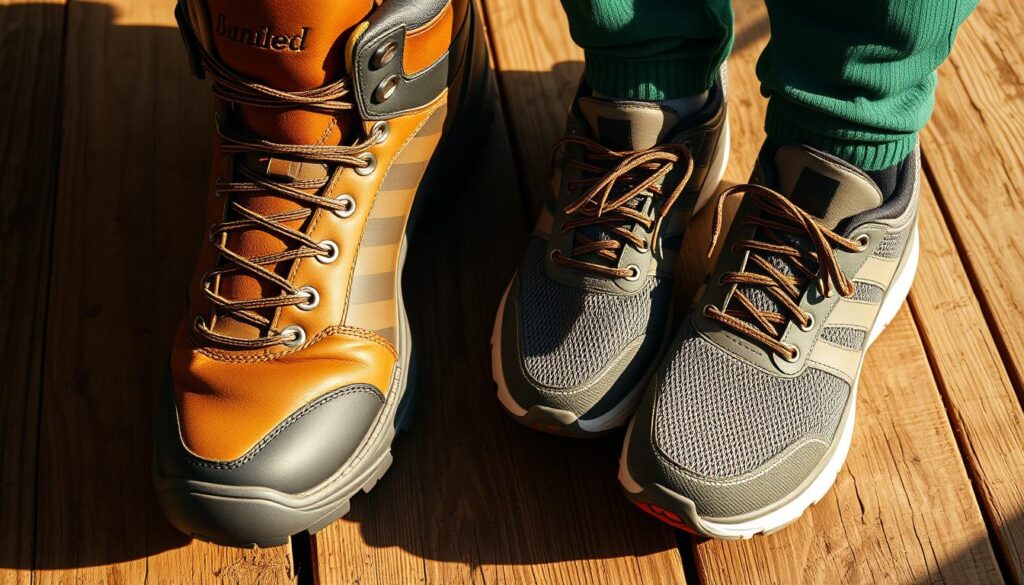
Boots are designed for durability and stability, making them perfect for challenging terrains. Their sturdy construction and ankle support provide added protection during outdoor activities like hiking or construction work. Waterproof materials and reinforced soles ensure your feet stay dry and secure in harsh weather conditions.
For example, tactical professionals often rely on boots for their rugged appeal and long-lasting performance. Whether you’re navigating rocky trails or working in demanding environments, boots offer the protection and stability you need.
When Sneakers Shine: Comfort, Lightweight Performance, and Versatility
Sneakers, on the other hand, are all about comfort and flexibility. Their lightweight design makes them ideal for everyday activities like running errands or casual outings. Breathable materials and cushioned soles ensure your feet stay comfortable throughout the day.
For active lifestyles, sneakers are the go-to choice. They provide the agility and ease of movement needed for sports or quick walks. Their versatility also makes them suitable for various occasions, from casual gatherings to light workouts.
| Feature | Boots | Sneakers |
|---|---|---|
| Support | High ankle support | Lightweight flexibility |
| Durability | Long-lasting materials | Designed for frequent use |
| Occasion | Outdoor, rugged terrains | Everyday, casual activities |
By weighing these factors, you can make an informed decision that aligns with your lifestyle and needs. Whether you prioritize support or comfort, the right footwear can enhance your daily experiences.
Prioritizing Comfort, Fit, and Durability
Your footwear’s fit and care can make or break your daily comfort. A well-fitted shoe not only feels good but also prevents issues like blisters and foot pain. Regular maintenance ensures your footwear stays in top condition for years to come.
Achieving the Perfect Fit for Your Footwear
Finding the right fit starts with proper sizing. Always measure your feet and consider any specific needs, like arch support. Test-wearing your footwear indoors can help you identify any discomfort before committing to a pair.
Experts recommend leaving a thumb’s width of space at the toe for optimal comfort. This ensures your feet have enough room to move naturally. Remember, a snug fit is better than a tight one.
Maintenance and Longevity: Caring for Your Investment
Regular cleaning is essential to extend the life of your footwear. For leather products, use a conditioner to keep the material soft and prevent cracking. Synthetic materials benefit from gentle cleaning with mild soap and water.
Storing your footwear properly also matters. Keep them in a cool, dry place and use shoe trees to maintain their shape. These simple steps can significantly enhance their durability and value.
“Proper care and fit are the keys to maximizing the lifespan of your footwear.”
By prioritizing comfort and maintenance, you can ensure your footwear remains a reliable part of your daily life. Whether it’s a casual pair or a rugged option, the right care makes all the difference.
Adapting to Weather, Terrain, and Activity Needs
Adapting your footwear to weather and terrain ensures comfort and performance. Whether you’re hiking rocky trails or walking through urban streets, the right shoe choice can make all the difference. Understanding how different conditions affect your footwear needs is key to staying prepared.
Weather-Proofing Your Footwear for Every Climate
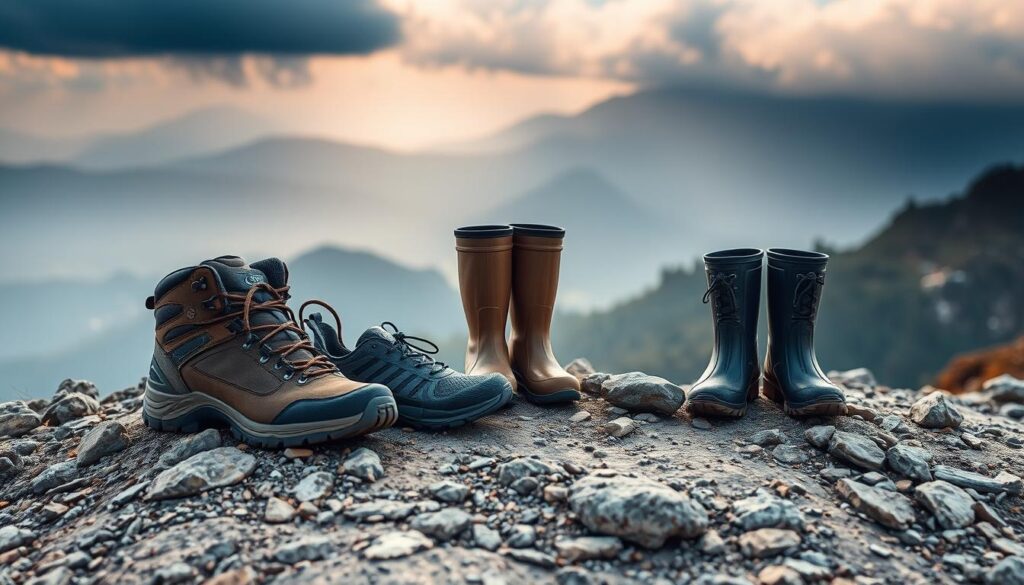
Weather plays a significant role in determining the best shoe for your activities. In rainy or snowy conditions, waterproof materials like leather or treated synthetics keep your feet dry. These options provide essential protection against moisture and cold.
For warmer climates, breathability is crucial. Lightweight designs with mesh uppers allow air circulation, preventing overheating. This feature is especially important for active lifestyles or long walks in the sun.
Choosing Footwear Based on Terrain
The terrain you navigate also influences your footwear selection. Rugged outdoor trails demand sturdy soles and ankle support for stability. Urban settings, on the other hand, benefit from flexible designs that prioritize comfort and ease of movement.
For example, hikers often rely on boots with deep lugs for traction on uneven surfaces. Casual walkers, however, may prefer lightweight sneakers for smooth pavements.
| Condition | Recommended Footwear | Key Features |
|---|---|---|
| Rainy/Snowy | Waterproof Boots | Moisture protection, insulation |
| Warm Weather | Breathable Sneakers | Lightweight, air circulation |
| Rugged Terrain | Hiking Boots | Ankle support, traction |
| Urban Settings | Casual Sneakers | Flexibility, comfort |
By understanding your environment and activity needs, you can choose footwear that enhances your experience. Proper care, like using waterproof sprays and storing shoes in dry places, also extends their use and durability.
Outdoor enthusiasts often rotate their footwear based on seasonal demands. This approach ensures they’re always prepared for changing conditions. Whether it’s a snowy hike or a sunny stroll, the right shoe makes all the difference.
Frequently Asked Questions
Are boots better than sneakers?
Not necessarily. Boots are generally better for protection, traction, demanding work, rugged terrain, and challenging weather. Sneakers are often better for lightweight comfort, flexibility, and everyday casual use.
Can you wear sneakers for hiking?
Yes, sneakers can work for short hikes on smooth, dry, relatively easy trails. For rocky, muddy, steep, wet, or technically difficult trails, purpose-built hiking footwear may provide better traction, stability, and protection.
Are boots more comfortable than sneakers?
Comfort depends on the individual, fit, design, and activity. A lightweight boot can be comfortable for long periods, while an inappropriate sneaker may become uncomfortable during demanding activities.
Should I wear boots or sneakers for work?
Follow your workplace’s footwear requirements first. If your job involves hazards requiring safety toes, slip resistance, electrical-hazard protection, or other protective features, choose footwear specifically designed and rated for those conditions.
Are boots good for everyday wear?
Yes. Many boots are designed for everyday use and can provide durability and weather protection while complementing casual clothing. Lightweight casual and tactical boots can be particularly versatile.
Are sneakers good in rain?
Some sneakers have water-resistant or waterproof construction, but many everyday sneakers are not designed for prolonged exposure to rain. Check the specific footwear’s construction and intended use.
Do boots provide better traction than sneakers?
Not automatically. Traction depends on the outsole design and the surface. Boots designed for hiking, work, or tactical use often feature specialized tread patterns, but some sneakers also provide excellent traction for their intended environments.
What is the most important factor when choosing between boots and sneakers?
Start with the activity and environment. Consider terrain, weather, safety requirements, walking distance, protection, traction, and fit before choosing footwear.
Final Verdict: Boots or Sneakers?
The best choice between boots and sneakers depends on what your day demands.
Choose boots when protection, traction, durability, weather resistance, or job-specific safety features are priorities. Choose sneakers when lightweight comfort, flexibility, and everyday versatility matter most.
For demanding jobs and outdoor environments, Army Navy USA offers a broad selection of military, tactical, work, hiking, and other specialized footwear.
Rather than choosing footwear based only on appearance, think about the terrain, weather, activity, and protection you actually need. When your footwear matches the environment and fits properly, you’ll be better prepared for whatever the day brings.
Explore the existing Army Navy USA footwear collection to compare boots, work shoes, tactical footwear, hiking options, and everyday styles.
