

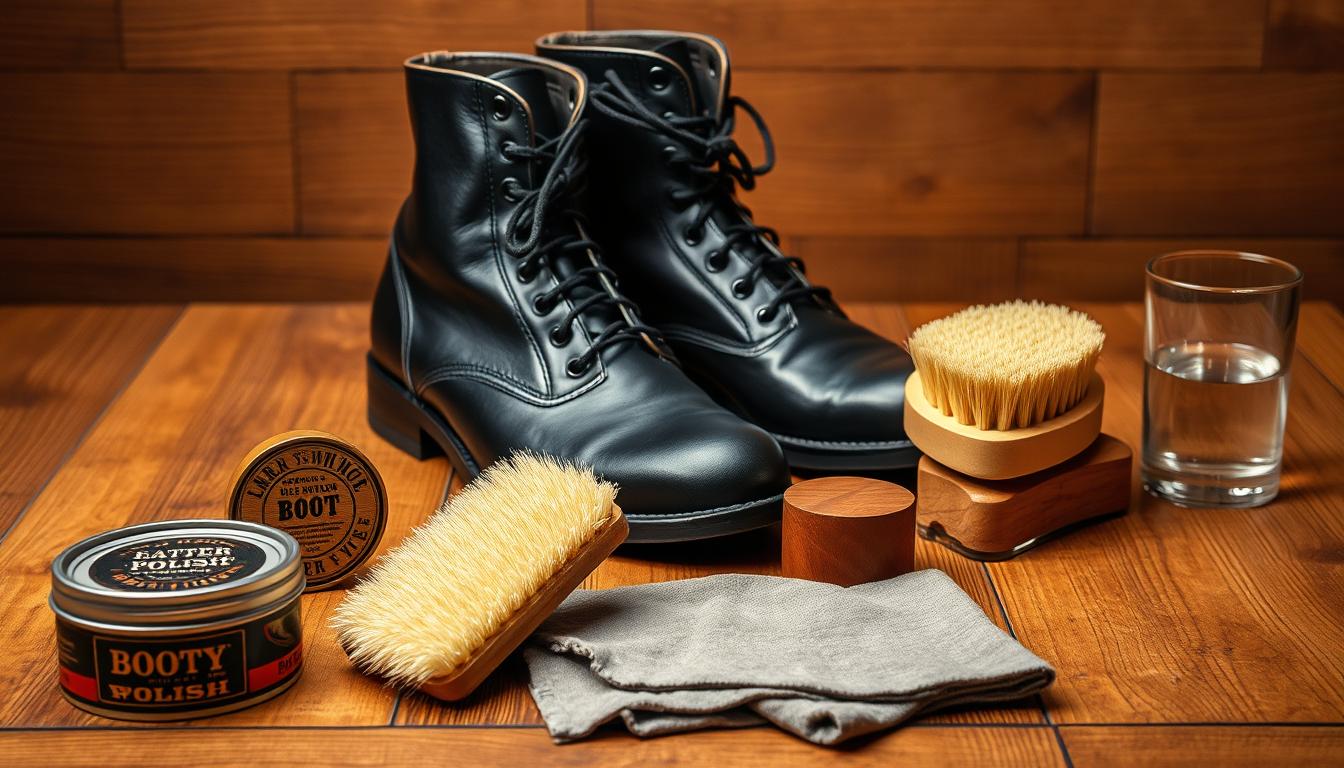
Leather boots are a timeless investment, but their longevity depends on consistent maintenance. Without proper attention, they can lose their shape, crack, or even develop mold. To keep them in top condition, it’s essential to follow a regular cleaning and conditioning routine.
Understanding the type of leather used in your boots is crucial. Different materials require specific care methods. For example, some leathers need gentle cleaning with a soft cloth, while others benefit from a sturdy brush to remove dirt. Using the right tools and products ensures your boots stay durable and stylish for years.
Regular maintenance not only enhances the appearance of your boots but also protects them from wear and tear. By dedicating a little time each week, you can significantly extend their lifespan and enjoy their comfort for many seasons.
Key Takeaways
- Regular cleaning and conditioning are essential for leather boot longevity.
- Use the right tools, like a soft cloth or brush, to remove dirt effectively.
- Understand your boot’s material to choose the best care methods.
- Weekly maintenance prevents damage and enhances durability.
- Proper drying techniques protect boots from mold and bacteria.
Understanding Your Boots: Materials and Care Essentials
The key to maintaining your footwear lies in understanding its material and unique needs. Different types of leather, such as full-grain, top-grain, and split-grain, each require specific care routines. Suede and nubuck, while stylish, demand even more attention to preserve their texture and appearance.
Different Types of Leather and Their Maintenance Needs
Full-grain leather is the most durable and retains its natural grain, making it a top choice for high-quality shoes. It benefits from regular cleaning with a damp cloth and occasional application of leather wax to maintain its luster.
Top-grain leather is slightly softer and requires gentle cleaning products to avoid damage. Split-grain leather, while more affordable, is more prone to wear and tear, necessitating frequent maintenance to extend its lifespan.
Special Considerations for Suede and Nubuck
Suede and nubuck are delicate materials that require specialized care. Avoid using water, as it can cause stains. Instead, opt for a suede brush or eraser to remove dirt. Applying a protective spray can help guard against spills and stains, ensuring your shoes stay in great condition for years.
- Use a damp cloth for cleaning full-grain and top-grain leather.
- Apply leather wax to preserve the natural grain and shine.
- Invest in specialized cleaning products for suede and nubuck to prevent damage.
- Rotate your shoes regularly to allow them to recover from daily wear.
By understanding the material of your footwear and using the right products, you can ensure they remain stylish and durable for many years. Whether it’s leather, suede, or nubuck, each type has its own care routine that, when followed, will keep your shoes looking their best.
Essential Daily Maintenance and Cleaning Routines
Daily upkeep is the cornerstone of keeping your footwear in pristine condition. By incorporating simple yet effective routines, you can ensure your shoes remain durable and stylish for years. Let’s explore the key steps to maintain their quality and longevity.
Post-Wear Cleaning Techniques to Remove Dirt and Residue
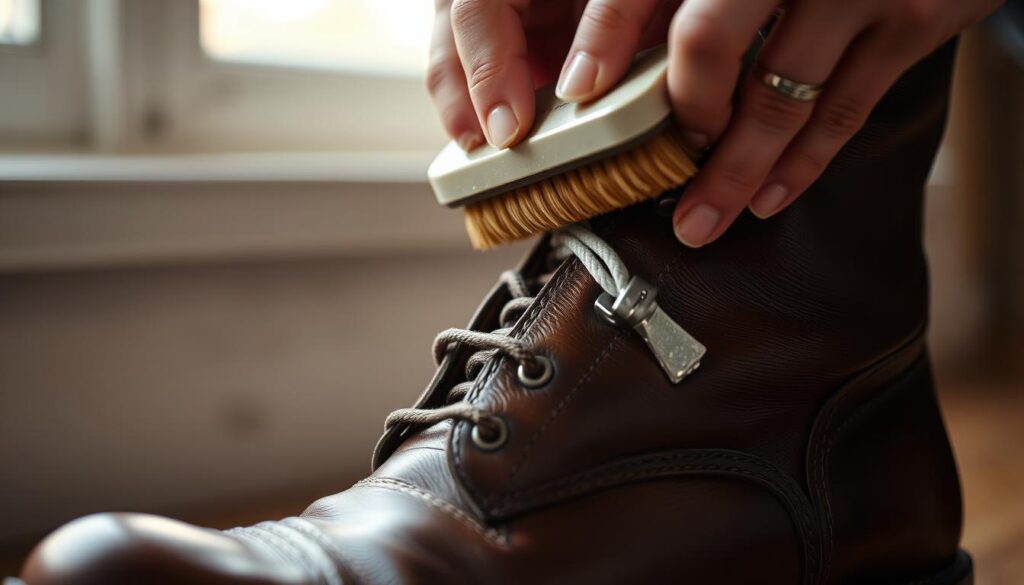
After each wear, it’s crucial to remove dirt and residue from your shoes. Start by wiping the upper surfaces and toe area with a damp cloth. For stubborn grime, use a specialized cleaner to avoid damaging the material.
Pay attention to the lace area, as dirt often accumulates there. A gentle brush can help remove embedded particles. This routine not only keeps your shoes looking fresh but also prevents long-term damage.
Monthly Deep Cleaning Procedures for Heavy Soiling
For heavy soiling, a monthly deep cleaning is essential. Products like Leather Honey or Danner’s Boot Dressing are excellent for restoring the quality of your footwear. Apply the cleaner evenly and let it sit for a few minutes before wiping it off.
Conditioners play a vital role in this process. They prevent drying and cracking, ensuring your shoes remain supple and vibrant. Always follow the product instructions for the best results.
Proper Storage and Rotation for Long-Term Care
Proper storage is just as important as cleaning. Use shoe trees to maintain the shape of your footwear and reduce moisture buildup. Rotating your shoes allows them to recover from daily wear, extending their lifespan.
Store your shoes in a cool, dry place to prevent mold and bacteria growth. This simple step can significantly enhance their durability and overall quality.
| Step | Tool/Product | Benefit |
|---|---|---|
| Post-Wear Cleaning | Damp cloth, cleaner | Removes dirt and residue |
| Monthly Deep Cleaning | Leather Honey, conditioner | Restores quality and prevents drying |
| Proper Storage | Shoe trees, cool dry place | Maintains shape and prevents mold |
“Regular maintenance is the secret to keeping your footwear in top condition. A little effort goes a long way in preserving their quality and appearance.”
Care for Your Boots: Conditioning, Polishing, and Waterproofing Techniques
Maintaining the quality of your footwear involves more than just cleaning; it’s about conditioning, polishing, and protecting. These steps ensure your shoes remain durable, stylish, and ready to face any weather. Let’s dive into the essential techniques to keep them in top shape.
Conditioning Methods to Prevent Drying and Cracking
Conditioning is a vital step in the process of preserving leather. It restores moisture, preventing the material from drying and cracking. Use a high-quality leather conditioner and apply it evenly across the surface.
Allow the product to absorb for about an hour before buffing off any excess. This simple routine keeps the leather supple and extends its lifespan. For best results, condition your shoes every 2-3 months.
Polishing for Enhanced Shine and Added Protection
Polishing not only enhances the style of your shoes but also adds a protective layer. Use a soft brush and apply polish in circular motions. This technique ensures an even coat and a lasting shine.
Let the polish sit for a minute before buffing it off. Regular polishing protects the leather from minor scratches and keeps it looking fresh. It’s a quick yet effective way to maintain your footwear’s appearance.
Effective Waterproofing to Guard Against Weather Damage
Waterproofing is crucial for protecting your shoes from moisture and weather damage. Use silicone spray, beeswax, or liquid-based formulations to create a protective barrier. Apply the product liberally and let it dry naturally.
After exposure to rain or snow, allow your shoes to boot dry away from direct heat. Using a tree helps maintain their shape during the drying process. This step ensures your shoes stay functional and stylish in any condition.
Advanced Boot Care Tips and Tools
Taking your footwear maintenance to the next level requires the right tools and techniques. Advanced care ensures your shoes remain durable, stylish, and ready for any challenge. Let’s explore the essentials for precision cleaning and professional repair options.
Selecting the Right Brush, Cloth, and Cleaning Products
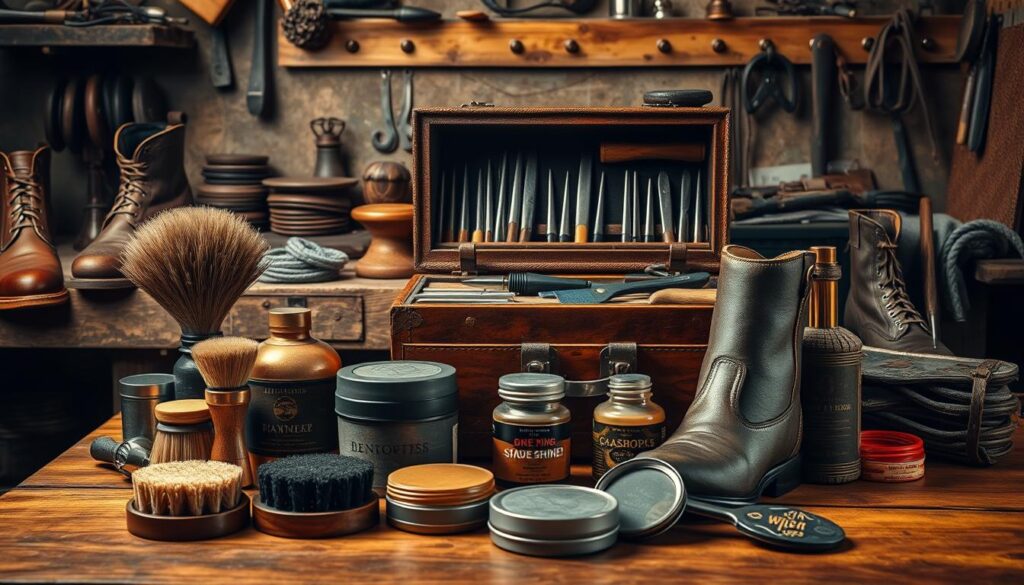
Choosing the correct tools is crucial for effective maintenance. A horsehair brush is ideal for polishing and removing dirt without damaging the material. Pair it with a soft, lint-free cloth for wiping away residue.
When using a spray, apply the right amount to avoid over-saturation. This ensures even coverage and prevents damage. Specialized cleaning products offer tailored solutions for different materials, enhancing their longevity.
Professional Repair and Specialized Cleaning Options
For severe wear or damage, professional repair is often the best option. Experts can handle issues like sole separation or deep scratches, restoring your footwear to its original condition.
Specialized cleaning services are another great option. They use advanced techniques to remove stubborn stains and restore the material’s integrity. Regular assessments, ideally once a month, help identify when these services are needed.
“Investing in quality tools and professional services ensures your footwear stays in top shape for years.”
By incorporating these advanced tips into your routine, you can extend the life of your shoes and keep them looking their best. Whether it’s a horsehair brush or a trusted spray, the right tools make all the difference.
Conclusion
Proper maintenance is the key to extending the life of your footwear. By following each step—from daily cleaning to advanced techniques—you can ensure they remain in top condition. Using the right tools, like a horsehair brush or a soft rag, makes a significant difference in preserving their quality.
Every item and process plays a role in keeping your footwear durable. Whether it’s managing heat during drying or removing residue after cleaning, attention to detail matters. Consistency is crucial; dedicating a few minutes each day can prevent long-term damage.
We encourage you to follow this guide diligently. By doing so, you’ll protect your footwear from wear and tear, ensuring they stay stylish and functional for years to come.
FAQ
What are the best materials for cleaning leather boots?
We recommend using a horsehair brush, damp cloth, and leather cleaner for effective cleaning. These tools help remove dirt and residue without damaging the material.
How often should I condition my boots?
Conditioning should be done every month or after heavy use. This keeps the leather soft, prevents cracking, and maintains its quality over time.
Can I use the same products on suede and nubuck?
No, suede and nubuck require specialized cleaners and brushes. Using regular leather products can damage their delicate texture.
What’s the best way to store boots long-term?
Always use shoe trees to maintain their shape and store them in a cool, dry place. Rotating your footwear also helps extend their lifespan.
How do I waterproof my boots effectively?
Apply a waterproofing spray or wax designed for leather. This creates a protective barrier against moisture and weather damage.
What’s the difference between polishing and conditioning?
Conditioning nourishes the leather to prevent drying, while polishing enhances shine and adds a protective layer. Both are essential for maintaining quality.
Can I clean my boots with water?
Use a damp cloth sparingly for spot cleaning. Avoid soaking the leather, as excessive water can damage the material and cause warping.
When should I seek professional repair?
If you notice significant wear, cracks, or sole damage, it’s time to consult a professional. They can restore your boots to their original condition.
What’s the best way to remove stubborn dirt?
Use a horsehair brush or a soft-bristle brush to gently scrub the surface. For deep cleaning, a leather cleaner is highly effective.
How can I prevent my boots from drying out?
Regular conditioning and avoiding exposure to heat or direct sunlight are key. This keeps the leather supple and prevents cracking.
