

Winter hiking offers a different experience from hiking during warmer months. Snow-covered trails, frozen ground, cold winds, and shorter daylight hours can make even a familiar route more challenging. The right clothing helps you stay comfortable, manage moisture, and adjust to changing temperatures as you move.
One of the biggest mistakes beginners make is dressing for the temperature they feel before starting the hike rather than the conditions they will experience along the trail. A thick jacket may feel comfortable at the trailhead but become too warm during a steep climb. On the other hand, lightweight clothing may not provide enough protection when you stop for a break or encounter strong winds.
So, what should you wear for winter hiking in freezing weather?
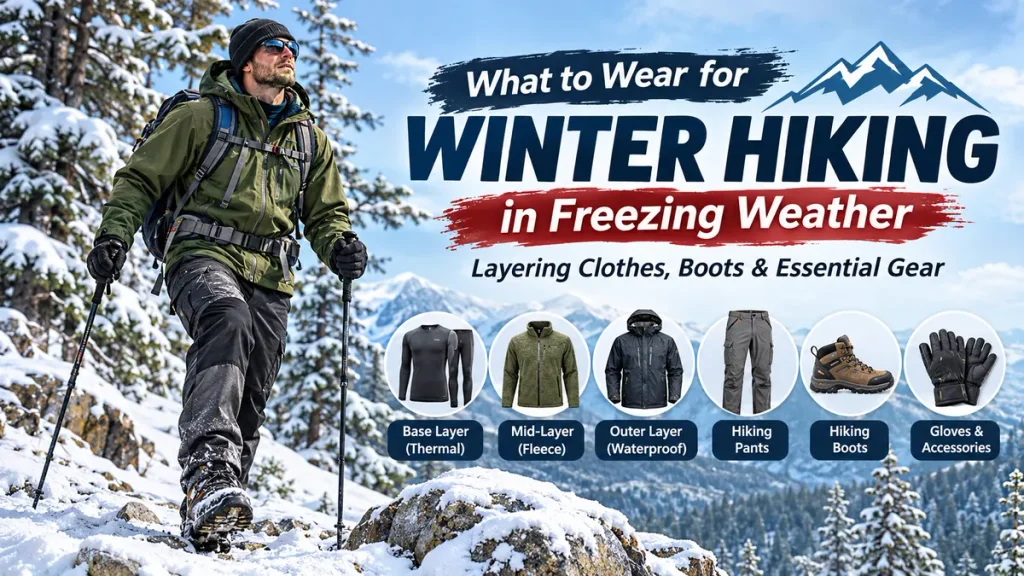
The answer depends on the temperature, wind, precipitation, activity level, and length of your hike. A practical winter hiking outfit combines moisture-managing base layers, insulating mid-layers, protective outerwear, suitable pants, warm socks, and footwear designed for the terrain.
This guide explains how to choose each item, avoid common clothing mistakes, and prepare a winter hiking kit that works together.
1. Start With the Right Base Layer
Your base layer is the clothing worn directly against your skin. Its main purpose is to manage moisture and help keep you comfortable while moving.
When hiking in cold weather, your body produces sweat even when the surrounding temperature is low. If sweat remains trapped against your skin, you may feel cold when you slow down or stop.
This is why the fabric of your base layer matters.
Thermal Underwear for Winter Hiking
Thermal underwear is a practical starting point for a cold-weather hiking outfit. A long-sleeve thermal top and thermal bottoms provide an additional layer beneath your regular clothing.
When choosing thermal underwear, consider:
- Moisture management: Look for materials designed to move moisture away from your skin.
- Breathability: Your base layer should allow moisture to escape during physical activity.
- Fit: It should sit comfortably against your body without restricting movement.
- Weight: Lightweight options suit active hiking, while heavier versions may be more appropriate in colder conditions or during less strenuous activities.
Merino wool and synthetic fabrics are common choices for base layers. Cotton is generally less suitable for cold-weather hiking because it retains moisture and can take a long time to dry.
Avoid wearing too many heavy layers underneath your jacket. A breathable base layer is more useful than excessive clothing that causes you to sweat.
Browse thermal underwear and cold-weather clothing to find suitable base layers for your next outdoor trip.
2. Choose a Mid-Layer That Provides Warmth Without Restricting Movement
After your base layer comes the insulating mid-layer. This layer helps retain body heat while allowing you to move comfortably.
The right mid-layer depends on how cold it is and how physically demanding your hike will be.
Fleece Jackets
Fleece jackets are popular for outdoor activities because they provide insulation without being excessively heavy. They can work well over a thermal top during moderate winter conditions.
Consider a fleece jacket when you need:
- Comfortable insulation for active hiking
- A flexible layer that allows arm movement
- An additional layer under a protective shell
- Clothing that can be removed when temperatures rise
Insulated Jackets
Insulated jackets are useful when additional warmth is needed, particularly during colder conditions or breaks along the trail.
Insulation can be made from down or synthetic materials. Down offers a strong warmth-to-weight ratio but can lose much of its insulating ability when wet. Synthetic insulation generally performs better in damp conditions and is often easier to maintain.
Your choice should depend on the weather, expected activity, and how you plan to carry your clothing.
How Many Layers Should You Wear?
There is no fixed number of layers that works for every winter hike. A useful starting combination is:
- A moisture-managing thermal base layer
- A fleece or insulating mid-layer
- A weather-resistant outer layer
You may need additional insulation in severe cold or less demanding conditions. The important thing is being able to add or remove layers as your activity level changes.
3. Select an Outer Jacket for Wind, Rain, and Snow
Your outer jacket protects the clothing underneath from environmental conditions. During winter hiking, wind and moisture can make you feel much colder than the temperature alone suggests.
A suitable outer layer should match the conditions you expect to encounter.
Waterproof vs. Water-Resistant Jackets
These terms describe different levels of protection.
A waterproof jacket is designed to provide a stronger barrier against rain and wet snow, depending on its construction and specifications. A water-resistant jacket can handle limited moisture but may not be suitable for prolonged exposure to heavy rain or wet conditions.
When comparing jackets, check:
- Whether the material is waterproof or water-resistant
- Whether the seams are sealed
- Whether the jacket has an adjustable hood
- Whether the cuffs and hem can be adjusted
- Whether ventilation features are included
- Whether it fits comfortably over your other layers
Why Wind Protection Matters
Cold wind can increase heat loss, especially when your clothing is damp. A wind-resistant outer layer helps reduce exposure and makes your insulating layers more effective.
For exposed trails, open ridges, and windy areas, consider a jacket that provides suitable wind protection.
Do not automatically choose the thickest jacket available. A jacket that is too warm for your activity can cause excessive sweating. The goal is to balance insulation, breathability, and weather protection.
4. Pick Winter Hiking Pants That Allow Comfortable Movement
Your legs need protection from cold air, wind, snow, and contact with wet vegetation. Regular lightweight trousers may not provide enough protection for some winter hiking conditions.
The right hiking pants should allow you to walk, climb, bend, and step over obstacles without feeling restricted.
What to Look for in Winter Hiking Pants
Consider the following features:
- Durable fabric: Useful when hiking through rough trails and vegetation.
- Comfortable fit: Pants should allow natural movement without pulling at the knees or waist.
- Weather resistance: Water-resistant materials can help with light moisture and snow contact.
- Breathability: Helps manage heat and moisture during uphill sections.
- Practical pockets: Useful for carrying small outdoor essentials.
Softshell pants can be a practical option for active hiking in cold, dry, or moderately windy conditions. Waterproof trousers may be useful when rain, wet snow, or prolonged exposure to moisture is expected.
For very cold conditions, some hikers use thermal bottoms beneath their hiking pants. Make sure the combination does not become too restrictive.
5. Do Not Underestimate the Importance of Hiking Socks
Cold feet can quickly make a winter hike uncomfortable. However, wearing the thickest socks available is not always the best solution.
Your socks need to provide warmth while managing moisture and fitting comfortably inside your footwear.
What Socks Are Best for Winter Hiking?
Merino wool and synthetic hiking socks are common choices for cold-weather activities.
Look for socks that offer:
- Moisture management
- Comfortable cushioning
- A suitable level of insulation
- A secure fit without excessive compression
- Minimal bunching around the toes and heel
The thickness of your socks should match the fit of your boots. Very thick socks inside tight footwear can reduce available space and make your feet feel colder.
Carry an extra dry pair for longer hikes, especially when wet conditions are expected.
6. Choose Boots Based on Trail Conditions
Winter hiking footwear needs to provide a suitable combination of fit, traction, support, and protection.
A regular pair of athletic shoes may not be appropriate for snowy, muddy, icy, or uneven trails.
Features to Consider When Buying Winter Hiking Boots
Water resistance or waterproofing: Helps protect your feet from wet snow, puddles, and damp ground. Check the manufacturer’s specifications.
Traction: The outsole should provide suitable grip for the surfaces you expect to encounter. Deep or aggressive tread patterns may be useful on muddy and snowy trails, but no ordinary boot guarantees grip on ice.
Ankle support: Some hikers prefer higher-cut boots for additional ankle coverage and support on uneven terrain.
Insulation: Insulated boots can help in colder conditions, but the level of insulation should match your activity and expected temperatures.
Proper fit: Leave enough room for your toes to move while ensuring your heel does not slide excessively.
Do You Need Special Footwear for Icy Trails?
If your route includes hard ice or steep frozen sections, ordinary hiking boot tread may not be sufficient. Compatible traction devices, such as microspikes or crampons, may be needed depending on the terrain and conditions.
Always check compatibility with your footwear and learn how to use traction equipment before heading onto challenging trails.
7. Protect Your Hands, Head, and Neck
Your winter hiking outfit is incomplete without suitable accessories. Hands, ears, and exposed skin can become uncomfortable quickly when temperatures drop or wind increases.
Gloves for Cold-Weather Hiking
Choose gloves according to the temperature and activity.
Lightweight gloves may work during active hiking in moderate cold. Insulated gloves or mittens can provide additional warmth during colder conditions and rest breaks.
Water-resistant or waterproof options can be useful when handling snow or encountering wet weather.
For longer hikes, carrying a spare pair is a practical precaution in case your first pair becomes wet.
Hats and Beanies
A warm beanie helps cover your head and ears. Choose a comfortable design that fits properly and works with your hood.
For exposed trails, a wind-resistant hat or additional face covering may be useful depending on the conditions.
Neck Gaiters and Face Coverings
A neck gaiter can provide additional protection around your neck and lower face. It is easy to adjust or remove as your activity level changes.
In strong winds or very cold conditions, covering exposed skin can improve comfort.
8. Dress Differently for Snow, Rain, and Wind
Winter hiking does not always mean the same weather conditions. A dry, cold day requires a different clothing combination from a wet, windy day.
Hiking in Dry, Freezing Weather
For dry freezing conditions, prioritize thermal base layers, a suitable insulating layer, warm socks, and an outer jacket that protects against wind.
You may not need heavy waterproof clothing if there is no expected moisture.
Hiking in Snow
Snow can make clothing wet through direct contact, especially around the lower legs and footwear.
Consider waterproof or water-resistant outerwear, suitable boots, and gaiters where appropriate. Gaiters help prevent snow and debris from entering your boots from the top.
Hiking in Rain and Wet Conditions
Wet weather requires greater attention to waterproof protection and spare clothing.
A waterproof shell, moisture-managing base layers, and dry socks can help you manage changing conditions. Store spare clothing in a waterproof bag inside your backpack.
Hiking in Strong Wind
Wind can make exposed trails feel significantly colder. A wind-resistant jacket, gloves, a hat, and a neck covering can help protect exposed areas.
Always consider whether the route is appropriate for the weather forecast.
9. How to Avoid Overheating While Winter Hiking
Staying warm is important, but overheating is another common problem.
During uphill hiking, your body produces more heat. If you keep all your heavy layers on, you may sweat excessively. When you stop, damp clothing can make you feel cold.
A better approach is to manage your clothing throughout the hike.
- Start with manageable insulation rather than wearing every layer immediately.
- Open ventilation features when you begin to feel too warm.
- Remove an insulating layer before strenuous climbs if necessary.
- Add warmth when stopping for longer breaks.
- Keep spare clothing dry and accessible.
- Adjust your layers before the weather or activity changes.
The best winter hiking outfit is adaptable. You should be able to respond to changing temperatures without completely changing your clothing.
10. What to Pack in Your Winter Hiking Backpack
Your clothing is only one part of winter hiking preparation. Carrying suitable extra equipment can help you respond to unexpected changes along the route.
Consider packing:
- An extra thermal or insulating layer
- Spare socks and gloves
- A waterproof storage bag
- A hat or neck gaiter
- A headlamp with suitable spare batteries
- A map and compass
- A fully charged phone
- Food and drinking water
- A first-aid kit
- An emergency shelter appropriate for your trip
- Navigation and communication equipment suited to the route
For longer or more remote hikes, your equipment should be planned around the route, group size, expected conditions, and available support.
A backpack with comfortable shoulder straps, suitable capacity, and practical storage compartments can make it easier to organize your clothing and supplies.
Find practical backpacks and outdoor survival equipment to help organize your winter hiking essentials.
11. Common Winter Hiking Clothing Mistakes to Avoid
Even good-quality outdoor clothing can become uncomfortable if it is selected or used incorrectly.
Wearing Cotton as Your Main Base Layer
Cotton absorbs moisture and dries slowly. When it becomes wet from sweat or precipitation, it can contribute to heat loss.
Choose moisture-managing materials for your base layer instead.
Wearing Boots That Are Too Tight
Tight footwear can restrict movement and reduce the space available for warm socks. Always try boots with the socks you intend to wear during your hike.
Choosing a Jacket Without Checking Its Weather Protection
A warm jacket is not necessarily waterproof or wind-resistant. Read the product specifications and match the jacket to the expected conditions.
Ignoring Spare Clothing
A wet pair of gloves or socks can make a long hike uncomfortable. Carrying suitable replacements is particularly important when conditions are unpredictable.
Wearing Too Many Layers
Excessive insulation can cause sweating during strenuous activity. Choose adjustable layers and learn when to remove or add them.
Forgetting About Changing Trail Conditions
Weather can change quickly in mountainous and exposed areas. Check the forecast, understand the route, and carry suitable equipment rather than relying on your clothing alone.
12. Winter Hiking Clothing Checklist
Before leaving for your next cold-weather hike, use this checklist to review your clothing and equipment.
| Category | What to Pack |
|---|---|
| Base layer | Thermal top and bottoms |
| Mid-layer | Fleece or insulated jacket |
| Outerwear | Wind-resistant or waterproof jacket |
| Lower body | Hiking pants or weather-resistant trousers |
| Footwear | Suitable hiking boots |
| Socks | Warm moisture-managing hiking socks |
| Hands | Insulated gloves or mittens |
| Head | Warm beanie or hat |
| Neck | Neck gaiter or face covering |
| Backpack | Extra clothing and essential supplies |
| Navigation | Map, compass, and suitable backup tools |
Your final packing list should reflect the forecast, terrain, hike duration, and your personal clothing needs.
Frequently Asked Questions
What should I wear for winter hiking in freezing weather?
Start with a moisture-managing thermal base layer, add a fleece or insulating mid-layer, and use a suitable outer jacket for wind and precipitation. Wear comfortable hiking pants, suitable boots, warm socks, gloves, and a hat.
How many layers should I wear for winter hiking?
A practical starting point is three layers: a base layer, an insulating mid-layer, and an outer shell. You may need additional insulation in colder conditions. Adjust the combination according to your activity and weather.
Are thermal underwear necessary for winter hiking?
Thermal underwear can be useful in cold conditions because it provides a base layer beneath your regular clothing. Choose a breathable material that manages moisture and fits comfortably.
Are waterproof boots better for winter hiking?
Waterproof boots can help protect against wet snow, rain, and damp trails. However, boot fit, traction, insulation, and comfort are equally important. Select footwear based on the terrain and expected weather.
What are the best socks for winter hiking?
Merino wool and synthetic hiking socks are popular options because they can provide warmth and help manage moisture. Choose a thickness that fits comfortably inside your hiking boots.
How do I stay warm without sweating while hiking?
Use adjustable layers, avoid starting with excessive insulation, and open ventilation when your body begins producing more heat. Add an insulating layer during breaks and keep spare clothing dry.
What should I carry on a winter hiking trip?
Carry suitable clothing, spare socks and gloves, food, water, navigation equipment, a first-aid kit, lighting, and emergency supplies appropriate for the route and weather.
Final Thoughts
Winter hiking requires more planning than simply putting on a thick jacket and warm boots. Your clothing needs to work together to manage moisture, provide insulation, protect against wind and precipitation, and allow comfortable movement.
Start with a suitable thermal base layer, choose insulation according to the temperature, and select an outer jacket that matches the weather. Pay attention to footwear, sock thickness, hand protection, and the spare clothing you carry.
Most importantly, prepare for the conditions you may encounter rather than relying only on how cold it feels when you leave home.
Whether you are planning a short winter trail walk or a longer outdoor adventure, having the right clothing and equipment can make your experience more comfortable and better prepared.
Explore Army Navy USA’s outdoor clothing, footwear, and survival gear collections to find practical options for your next cold-weather adventure.
